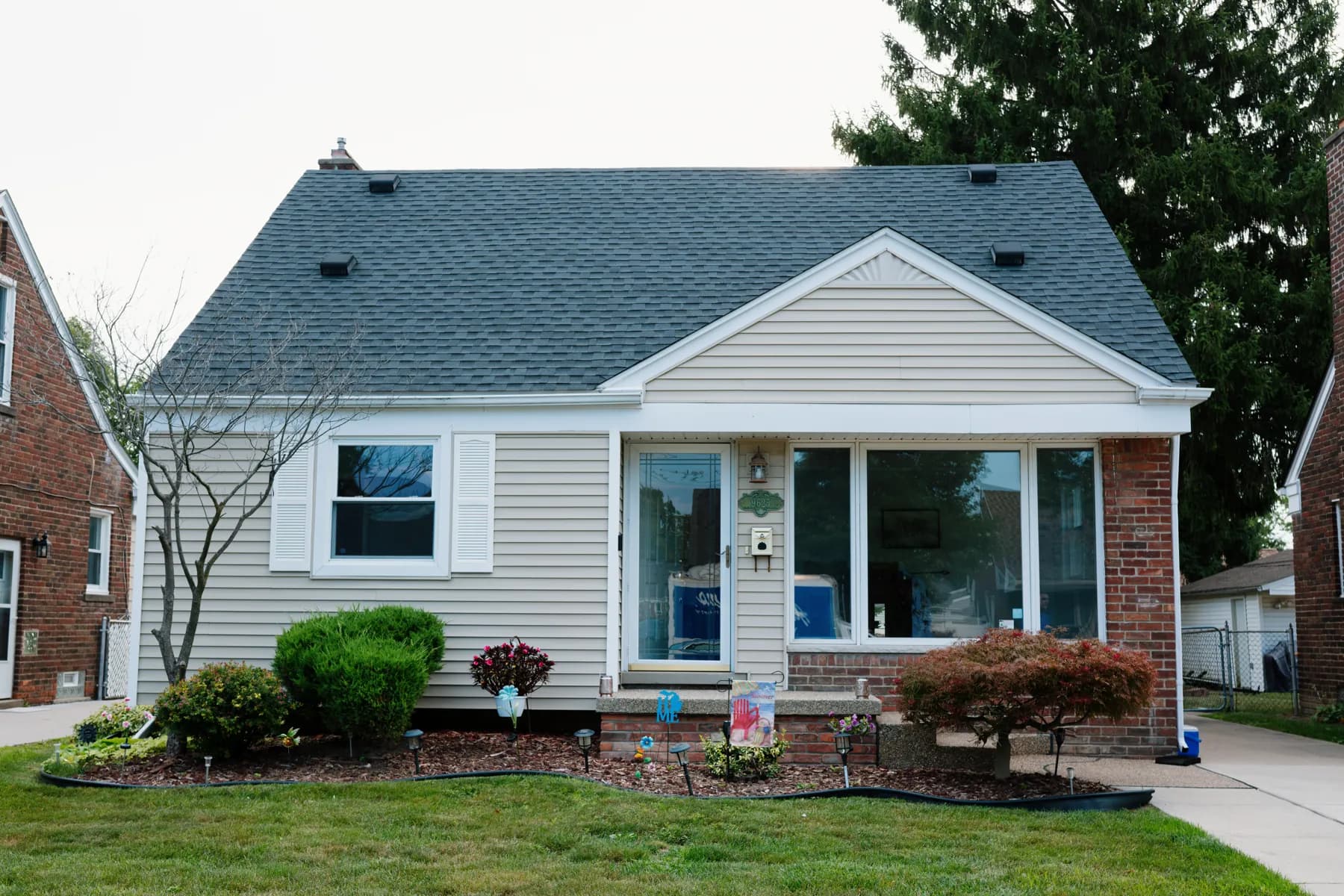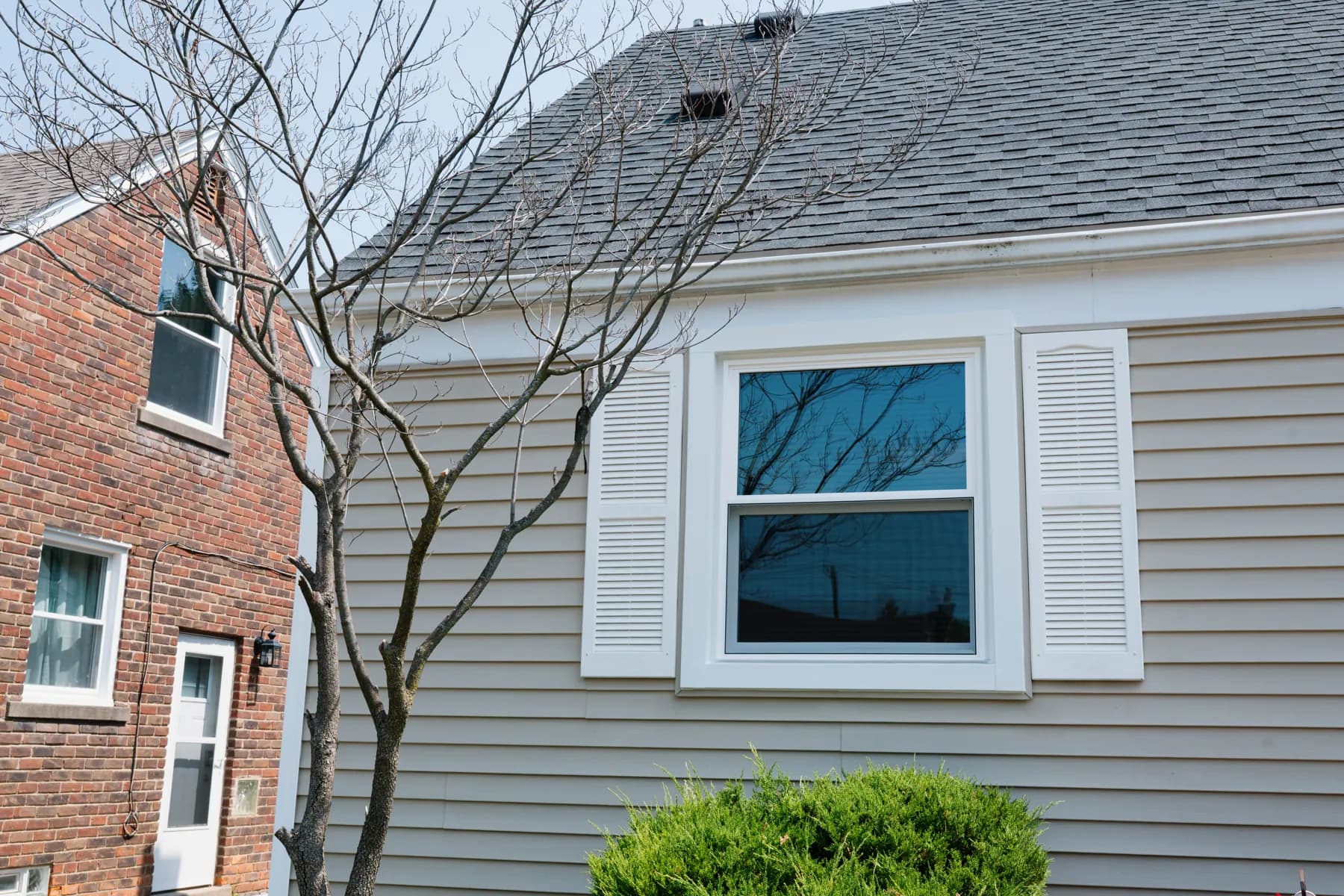
Yes, you can put siding over brick. This process offers a way to refresh your home’s look without taking down the brick. We’ll cover how to do it, which materials work best, costs, benefits, and what challenges to expect when considering, “can you put siding over brick.”
Key Takeaways
- Siding can be installed over brick, requiring proper preparation, including cleaning, adding furring strips, and applying a moisture barrier to ensure adhesion and prevent moisture issues.
- Different siding materials, such as vinyl, wood, fiber cement, and metal, have varying costs and maintenance requirements, affecting homeowners’ decisions based on budget and durability needs.
- Professional installation is generally recommended to avoid common pitfalls associated with DIY projects, ensuring a higher quality outcome and addressing potential structural issues effectively.
Can You Install Siding Over Brick?
Yes, it’s entirely possible to install siding over brick, but the process requires careful preparation to ensure a smooth and long-lasting finish. Many homeowners opt to install siding over brick to avoid the costs and labor involved in removing the existing brick walls. However, the brick surface must be adequately prepared to prevent moisture issues and ensure proper adhesion. For those inexperienced with siding installation, hiring a professional is advisable to ensure the job is done correctly.
Preparing for siding installation over brick involves adding a smooth, watertight sheathing to the surface. This creates a level surface necessary for the successful application of new siding materials.
While some contractors might suggest removing the bricks due to its uneven surfaces, many homeowners find it more practical to install siding directly over the existing brick to save on costs and effort.
Vinyl Siding Over Brick Walls
Vinyl siding is an excellent choice for those looking to upgrade their brick exterior. It is attractive, affordable, and lighter than brick, making it an environmentally friendly option with lower installing vinyl siding costs. For successful installation, the brick surface must be a smooth surface and even. Additionally, insulated vinyl siding can enhance energy efficiency.
Moisture entrapment is a potential risk that can cause damage, so professional installation is advisable to avoid these issues. With proper installation and maintenance, vinyl siding can last 20-30 years, making it a reliable choice for many homeowners.
Wood Siding on Brick Exteriors
Installing wood siding over a brick exterior can add a touch of natural beauty and warmth to your home. However, this process is more complex and costly due to the need for furring strips to secure the wood siding properly. Irregular brick surfaces can cause moisture issues since wood is not moisture-resistant. An efficient moisture barrier is necessary to prevent these problems.
Regular maintenance, such as reapplying protective finishes every few years, is required to keep wood siding in good condition. With proper care, wood siding can last for decades, offering both durability and aesthetic appeal.
Installing Fiber Cement Siding Over Brick
Fiber cement siding, known for its durability and fire resistance to pests, is another viable option for siding over brick. Due to its heavy nature, hiring experienced contractors is necessary for proper installation. The brick surface must be carefully prepared, including attaching furring strips, as siding over brick requires creating a stable foundation for the siding.
Improper installation can lead to moisture damage and other issues, making professional expertise essential. Once installed, fiber cement siding provides a robust and long-lasting finish.
Metal Siding on Brick Homes
Metal siding is a strong, low-maintenance option that offers significant durability and long-term cost savings when installed over brick. However, installation requires careful preparation, such as attaching furring strips, to ensure durability and mitigate issues like denting. Additionally, metal reflects light, enhancing the aesthetic appeal of the installation. The effectiveness of the installation often depends on how well the brick depends on the underlying structure.
Metal siding is also energy-efficient, as it reflects sunlight, contributing to reduced energy costs over time. For a secure installation, furring strips are essential to provide a stable surface for the metal siding.
Steps for Installing Siding Over Brick
Installing siding over brick involves several crucial steps to ensure a successful and long-lasting result. These steps include cleaning the brick surface, attaching furring strips, applying a moisture barrier, and finally, installing the siding panels.
Each step plays a vital role in ensuring the siding adheres properly and provides the desired durability and aesthetic appeal.
Cleaning the Brick Surface
A clean slate brick surface is necessary for effective siding adhesion and preventing future moisture issues. Removing dirt, dust, and old paint from the brick surface is critical for proper adhesion of the new siding. Assess the condition of the brick before starting the installation to avoid complications.
Regularly cleaning the brick surface at least once a year using a soft-bristled broom and a suitable brick cleaning detergent can help maintain its condition.
Attaching Furring Strips
Furring strips provide a level surface and proper support for the new siding. Mark where each furring strip will be placed, ensuring they correspond with panel joints. Use a plumb bob or carpenter’s level to attach furring strips for precise placement.
The strips should be spaced 12 to 16 inches apart to provide adequate support. Install the strips vertically to facilitate proper drainage and airflow. Predrilled holes in both the strips and the brick should be made before inserting fasteners such as ring-shanked nails or masonry screws for a secure attachment.
Applying a Moisture Barrier
A moisture barrier is necessary when installing siding over brick to protect the structure from water intrusion. This barrier prevents moisture from seeping through to the brick, protecting against mold growth and other moisture-related issues.
Ensure that weep holes at the base of the brick are kept clear to allow water to drain properly and prevent moisture buildup. Proper application of a watertight barrier is essential to shield the underlying structure from severe weather conditions.
Installing the Siding Panels
The final step involves installing the hardie board siding panels, which should be secured tightly to the furring strips to ensure stability and durability. Use weather-resistant fasteners to enhance the overall performance and longevity of the installation.
Properly securing the panels is crucial to prevent issues and ensure the siding performs as expected. Ensure each panel is installed correctly to avoid installation mistakes that could lead to future problems.
Cost Considerations for Siding Over Brick
Several factors influence the cost of installing siding over brick, including the type of materials used and labor costs. This pricing is calculated per square foot.
Understanding these cost factors helps homeowners budget effectively for their final cost siding project.
Vinyl Siding Costs
The cost can vary depending on the quality of the vinyl siding chosen, with higher quality options being more expensive.
Despite the cost, vinyl siding remains a popular choice due to its affordability and durability.
Wood Siding Costs
Wood siding is known for its aesthetic appeal and versatility, but costs can vary significantly. While wood siding can be more expensive, it offers a unique, natural look that many homeowners find desirable.
Fiber Cement Siding Costs
Despite the higher initial investment, fiber cement siding is known for its durability and low maintenance requirements.
Metal Siding Costs
Metal siding costs vary based on the type and design.
Metal siding offers long-term cost savings due to its durability and low maintenance requirements.
Benefits of Installing Siding Over Brick
Installing siding over brick can significantly enhance the curb appeal of your home’s appearance, making it more attractive to potential buyers. Beyond aesthetics, put siding over brick provides a waterproof barrier that helps prevent moisture issues affecting the underlying brick.
Durable materials like fiber cement siding offer robust protection against the elements, while vinyl siding provides a lightweight and effective solution for various weather conditions. Homeowners should consider their budget, maintenance requirements, and climate conditions when choosing different siding materials that are the most suitable siding material.
Potential Challenges and Solutions
Installing siding over brick presents several challenges, including moisture retention, which can lead to structural damage and mold formation. Improper installation of fiber cement siding, for example, can trap moisture, causing damage to both the brick and siding.
DIY installation, while potentially cost-saving, can lead to unexpected costs and longer project durations due to mistakes and lack of proper tools. For larger projects, hiring an experienced contractor is often more cost-effective and ensures that everything is installed properly during the installation process, resulting in higher quality results.
Choosing the Right Siding Material
Selecting the right siding material is crucial for long-term satisfaction with your home’s exterior.
Wood siding provides natural aesthetic appeal but demands regular upkeep to protect against rot and insect damage. Fiber cement siding is known for its durability and resists rotting, making it a worthy investment despite its higher initial cost.
Vinyl siding remains an economical and low-maintenance option, though it offers fewer choices in color and texture. Homeowners should weigh these factors to determine the best material for their needs.
Professional vs. DIY Installation
The choice between professional and DIY siding installation can significantly impact the project’s outcome. Hiring a professional siding contractor typically ensures quicker installation, more efficient work, and proper use of tools and techniques. Professionals can also identify and address underlying issues that a DIYer might overlook.
While DIY projects can save on labor costs, they often come with a few downsides, including the risk of mistakes and longer project durations. For larger projects, a professional install is often recommended to avoid common pitfalls and ensure a high-quality finish.
Maintenance Tips for Siding Over Brick
Maintaining siding over brick is crucial for long-term durability and appearance. Wood siding requires more frequent maintenance than other materials due to its susceptibility to weather-related damage. Regular cleaning of the siding is important, with an annual scrub using a soft-bristled broom and a suitable cleaning solution being recommended.
Overall, siding requires less maintenance compared to brick, leading to long-term cost savings for homeowners.
Adkins Sons & Windows
Adkins Sons & Windows has been a trusted name in home remodeling in Michigan since 1979, offering a variety of services including windows, doorsdoors, and siding. Our selection of vinyl siding is designed to withstand harsh weather conditions, ensuring both durability and low maintenance.
We pride ourselves on industry expertise combined with a personalized service approach typical of family-owned businesses. We offer industry-leading warranties, including a 15-year guarantee on labor, which underscores their commitment to protecting your remodeling investment.
Summary
Installing siding over brick can offer numerous benefits, including enhanced visual appeal, better moisture protection, and increased durability. While the process involves several critical steps, including surface preparation and proper installation, the results are well worth the effort. Cost considerations vary based on the type of siding material chosen, but options like vinyl, wood, fiber cement, and metal each offer unique advantages. Whether you opt for professional installation or decide to take on the project yourself, understanding these factors will help ensure a successful outcome. For those looking for reliable services, Adkins Sons & Windows provides excellent options backed by decades of experience and customer satisfaction guarantees. By following the tips and guidelines provided, you can transform your home’s exterior into something truly remarkable.
Published by Adkins & Sons, a family-owned window, door and siding company in Southgate, Michigan since 1979. See our vinyl siding