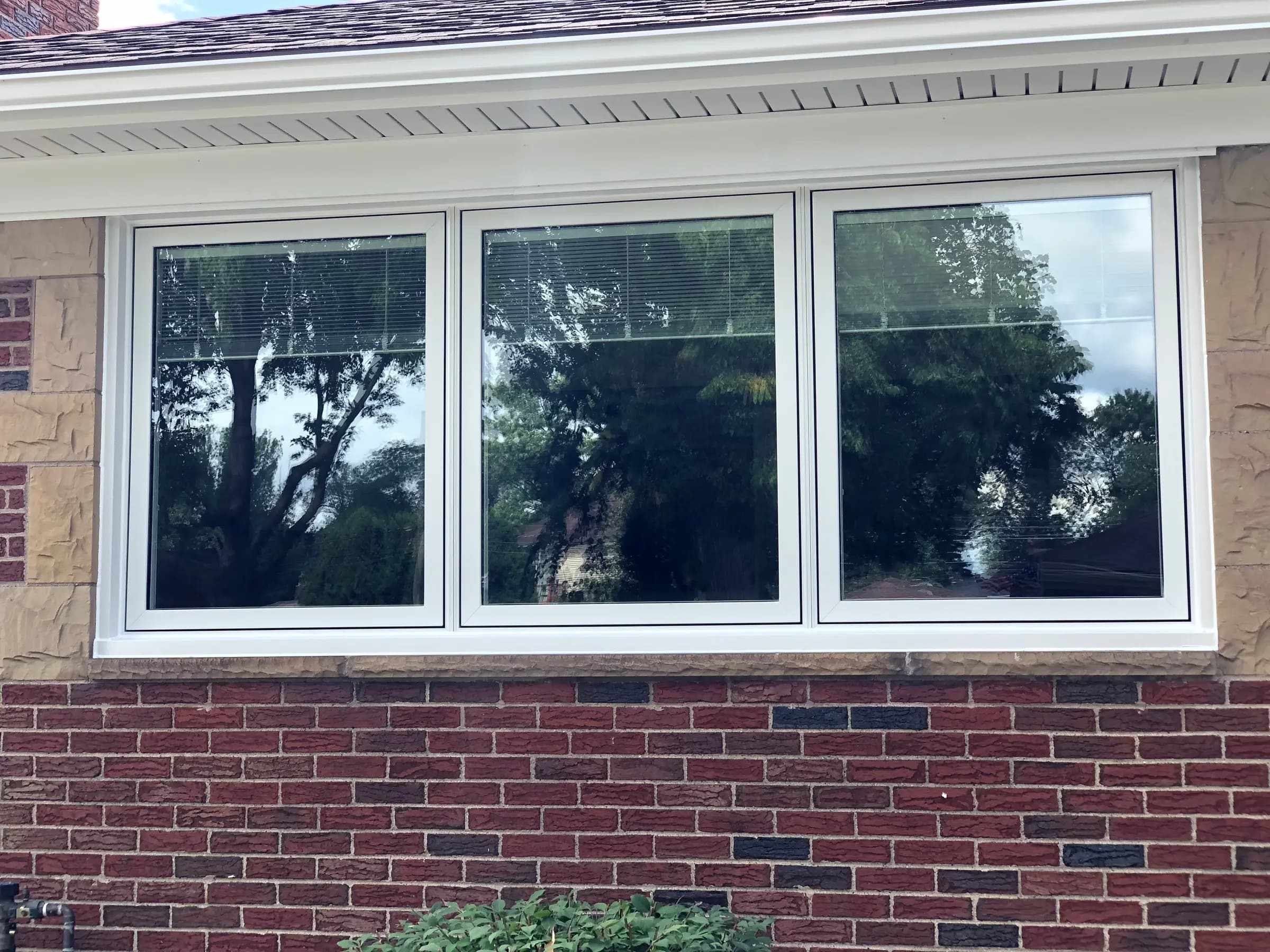
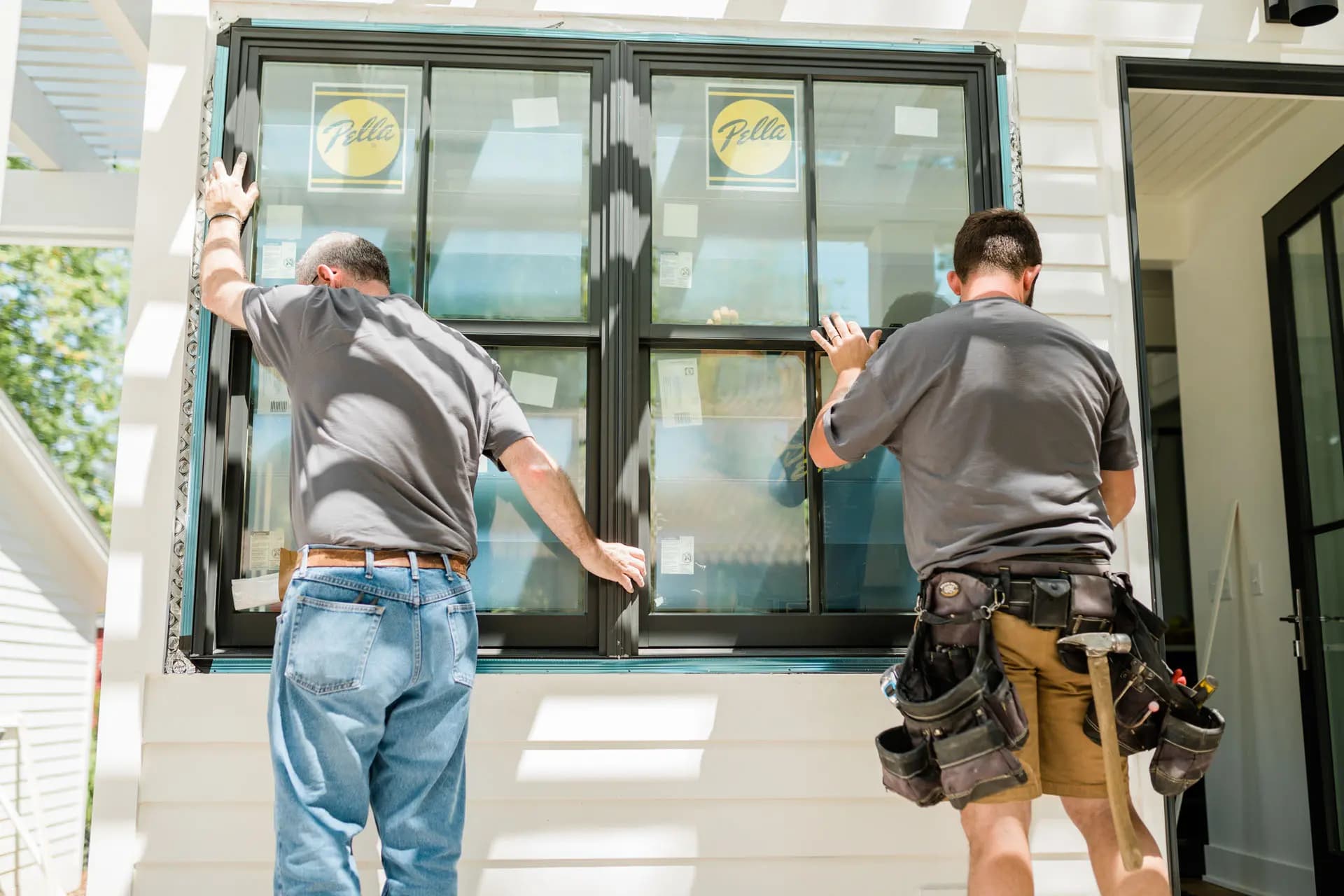
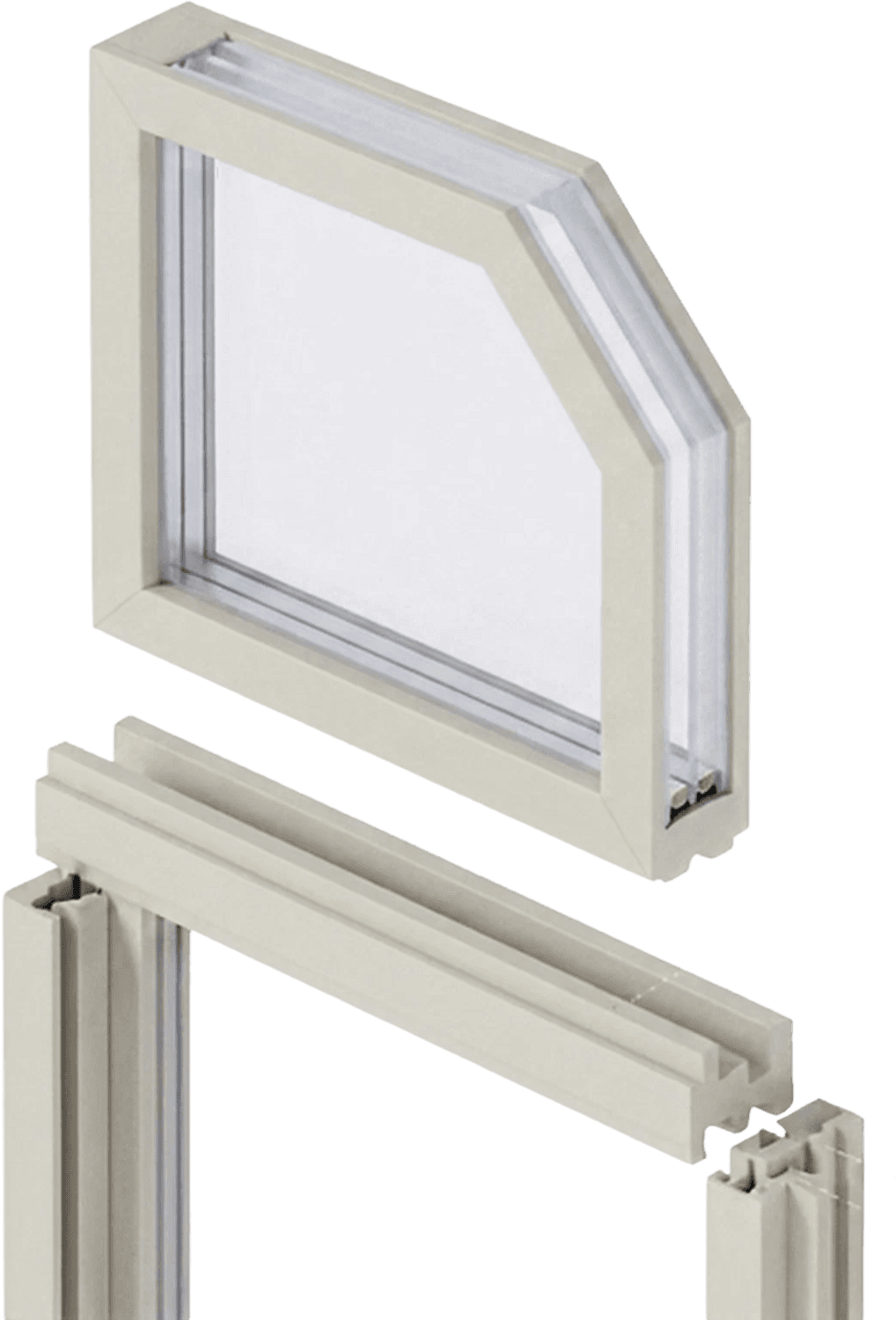
A picture window is glass that has stopped pretending to be a machine. No sashes, no balances, no locks, no track: a sealed insulated glass unit set directly into a frame, named for what it does to the wall it sits in, which is turn the view into the picture.
Why Fixed Glass Wins on Efficiency
Every operating window leaks a little at its moving joints; that is the price of moving. A picture window has no moving joints, so its air infiltration is effectively the frame's alone, the lowest of any window type. The frame itself is slimmer too, because it carries no hardware, which means more glass and more daylight from the same rough opening. Where winter comfort is the goal, a fixed pane is the strongest square footage on the wall.
The Glass Is the Whole Decision
With no mechanism to discuss, everything rides on the glass package. A low-E coating decides how much heat the glass keeps in January and turns away in July; argon between the panes slows what conducts through; a third pane adds another sealed chamber for the coldest walls. One practical note worth knowing early: building code treats large panes near the floor or beside doors as hazardous locations, and glass there may need to be tempered. We flag that at the estimate, not at installation.
Designing Around One
A picture window rarely works alone. Flank it with casements or double-hungs and the wall gets its ventilation back while the center stays pure view. Set an awning underneath and the room vents in the rain under an unbroken pane. Mulled combinations like these are ordered as one engineered unit, so the joints between windows are factory-made rather than improvised in the wall.
Living With One
There is nothing to maintain because there is nothing that moves: wash the glass and walk away. The one planning question is honest airflow: a room lit by a single large fixed pane needs its ventilation from somewhere, so we look at the whole wall, not just the opening, before recommending one.