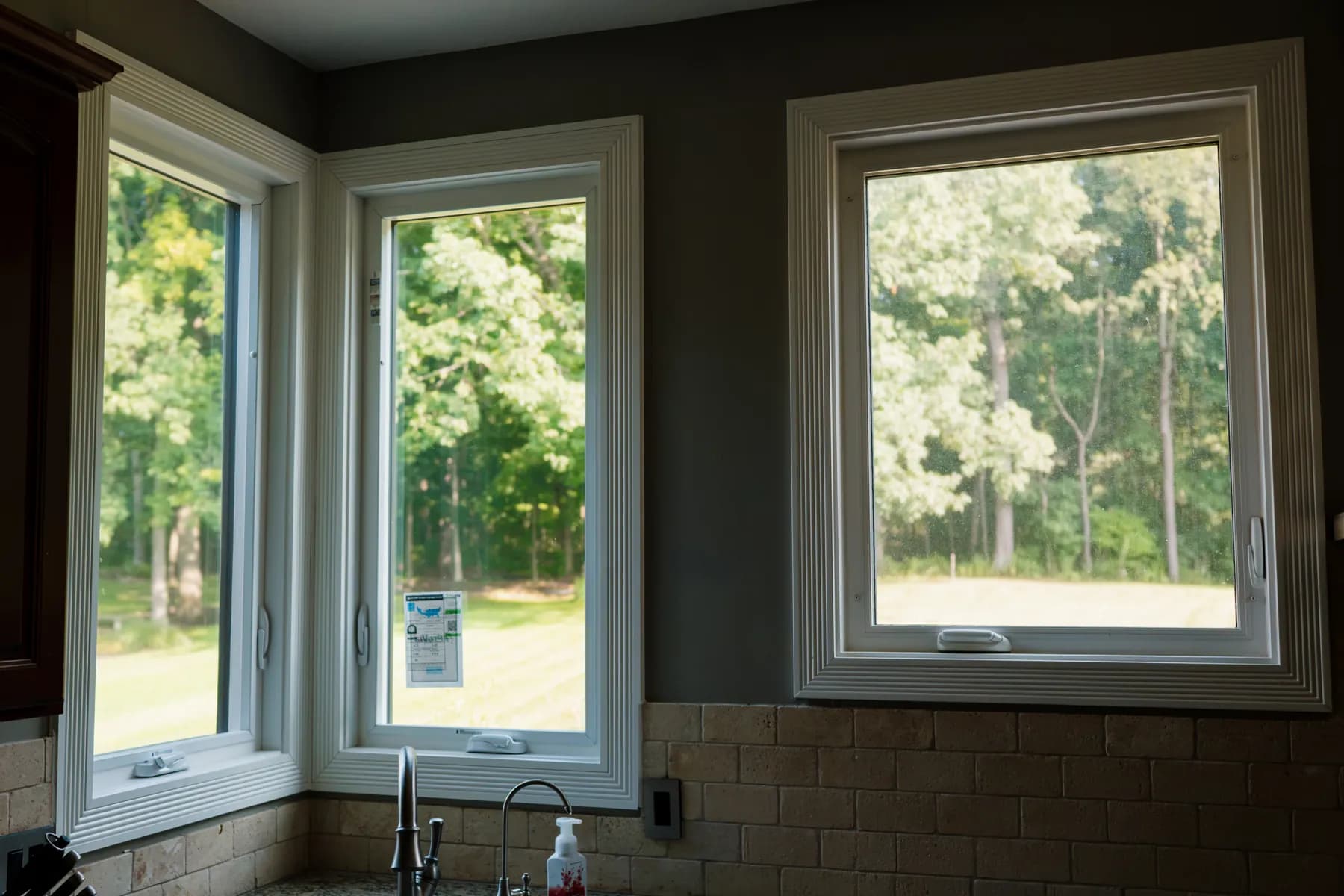
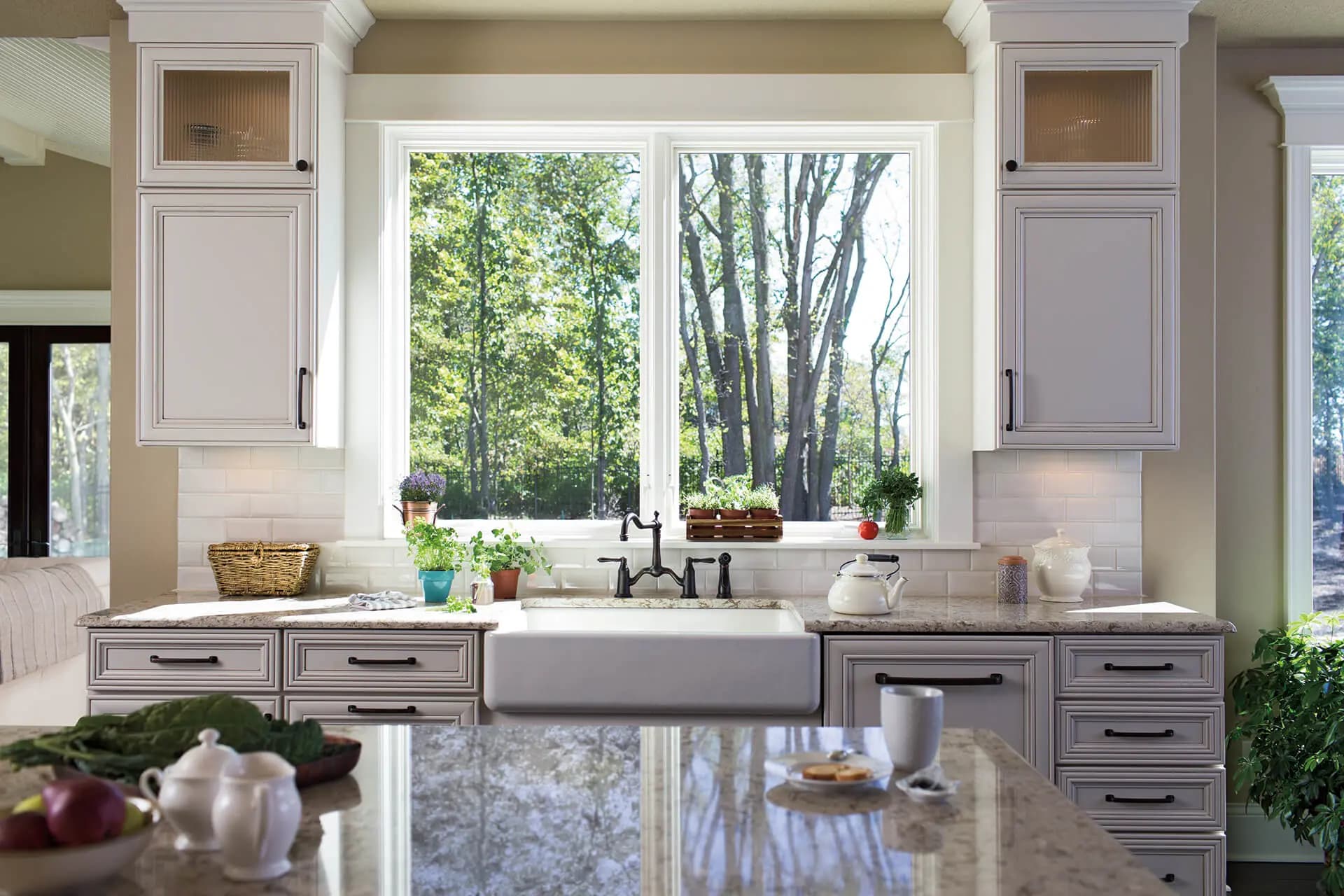
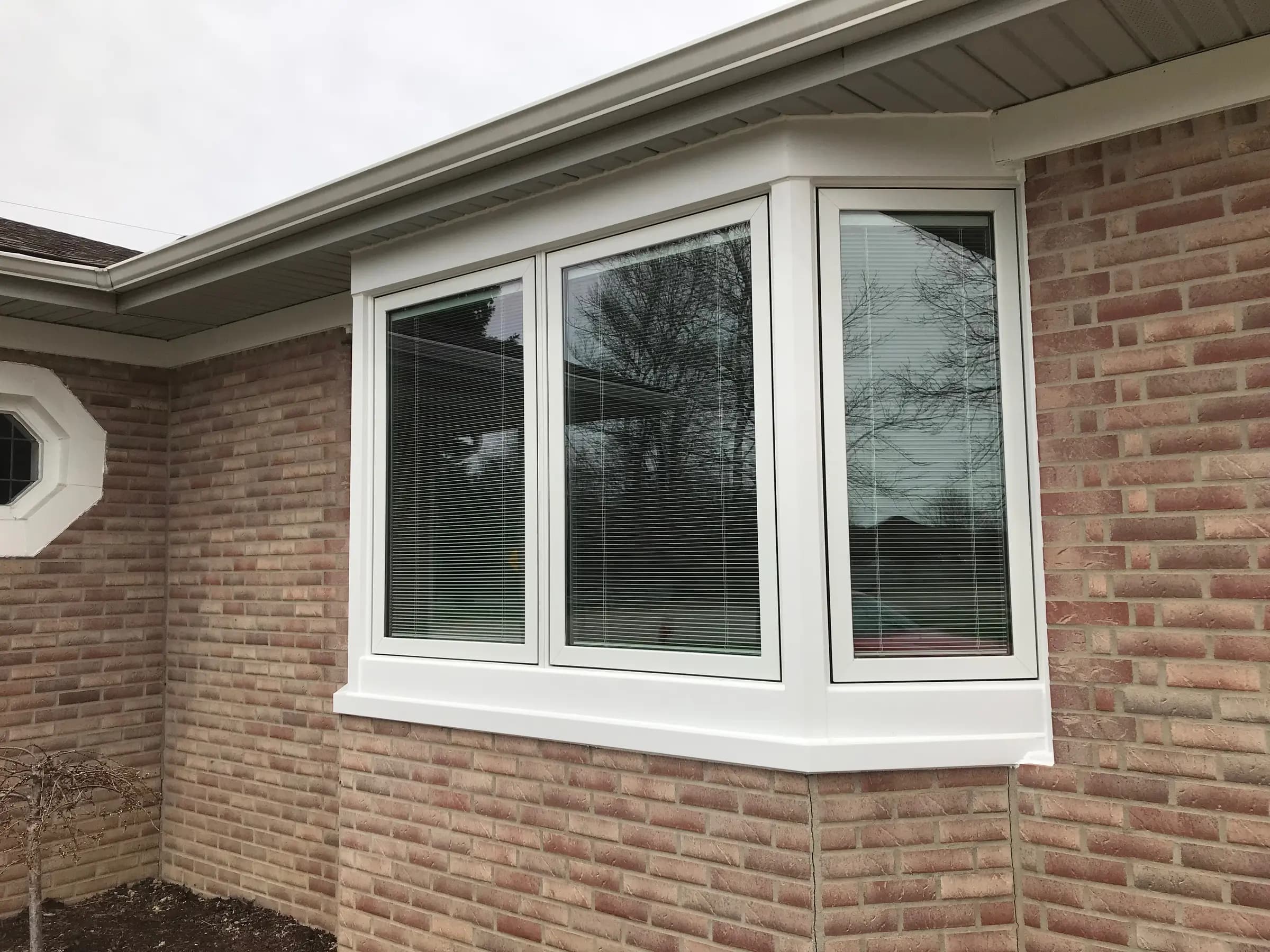
The casement is the oldest operating window there is: hinged at the side and swinging outward, it predates the sliding sash by centuries. The modern version replaced the latch with a crank and the iron hinge with a concealed one, but the idea is unchanged, and it remains the window that seals best and vents most of anything we install.
How It Works
The crank drives an operator arm that pushes the sash out and pulls it home. Because the hardware does the moving, the sash needs no tracks to slide in and no balances to carry it, and the crank folds flat against the frame when you are done so blinds and shades hang past it cleanly.
Locking is where a casement separates itself. The lock engages hook points along the frame edge and draws the whole sash inward against the weatherstripping, like pulling a door tight against its seal. Sliding windows wipe past their seals; a casement compresses into its seal, which is a different class of airtight.
Why Wind Makes It Tighter
A hung or sliding window rattles when the wind works on it, because the moving sash has to keep a sliding clearance. A casement has no sliding clearance. Wind pressing on the glass presses the sash deeper into its compressed seal, so the harder the weather leans on the house, the tighter the window gets. That is why the windward wall of a house is casement territory, and why the style tests at the lowest air-leakage numbers of any operating window.
The Whole Opening Vents
Swing the sash fully clear and the entire frame is open air, roughly double the free area a hung window offers from the same opening. Angle the sash halfway and it becomes a scoop that catches a breeze running along the wall and turns it into the room, which no hung or sliding window can do at all.
Living With One
The full swing means the outside face of the glass comes within arm's reach from indoors on most sizes, so cleaning stays a ground-floor job. The operator and hinges appreciate a drop of light oil every year or two, and the one discipline a casement asks is simple: crank it closed before a storm rather than letting the wind slam it. Screens sit on the inside face of the frame, out of the weather, where they stay cleaner than an exterior screen ever does.